 Skip to content
August 20, 2025
Your Canvas Online: Top Art Gallery Web Designs
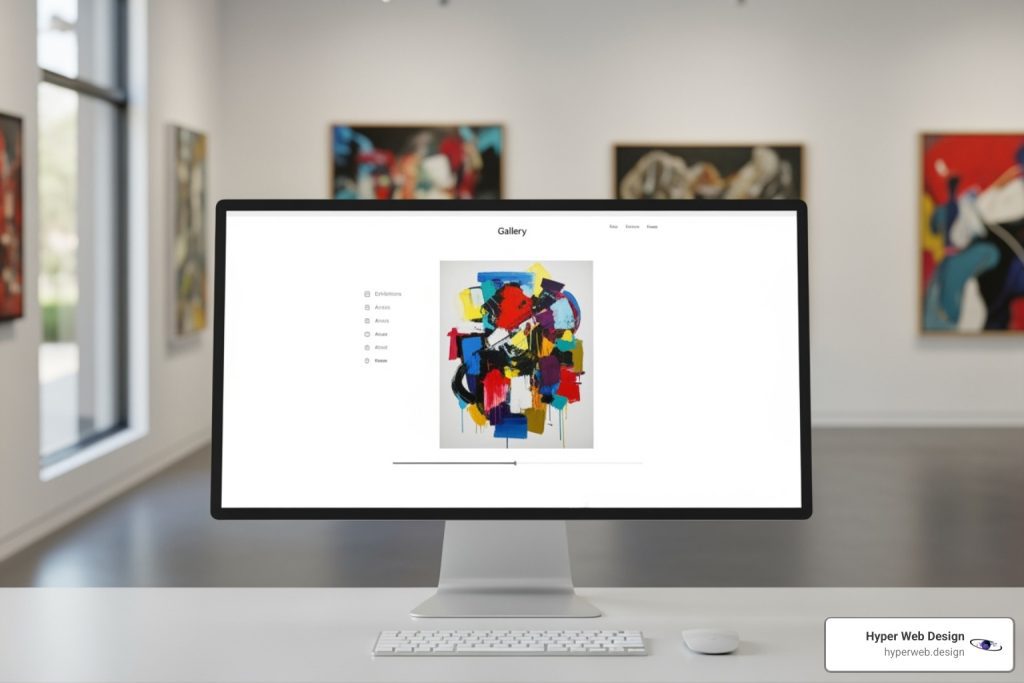
The Digital Shift in the Art World
Art gallery web design has become essential as the global art market shifts online, with digital sales reaching $11.8 billion in 2023. Modern gallery websites must balance stunning visuals with practical functionality to engage collectors and drive sales.
Key elements of effective art gallery web design:
- High-quality imagery with zoom and 360-degree viewing capabilities
- Mobile-responsive design (60% of art buyers browse on mobile devices)
- Intuitive navigation and clean, minimalist layouts
- Online viewing rooms and virtual exhibition spaces
- E-commerce integration with secure payment systems
- SEO optimization for artist names and artwork categories
The stakes are high: poorly designed websites lose visitors in 90 seconds, while well-designed galleries engage users for over 3 minutes. As one gallery owner noted after a successful redesign: “The team delivered a clean, contemporary design that’s not only visually stunning but also incredibly easy to steer.”
Today’s art galleries must create digital spaces that rival their physical counterparts. I’m Shawn Shameli, and for over a decade, I’ve helped creative businesses build websites that combine visual excellence with technical performance, balancing aesthetic appeal with user experience and conversion optimization.
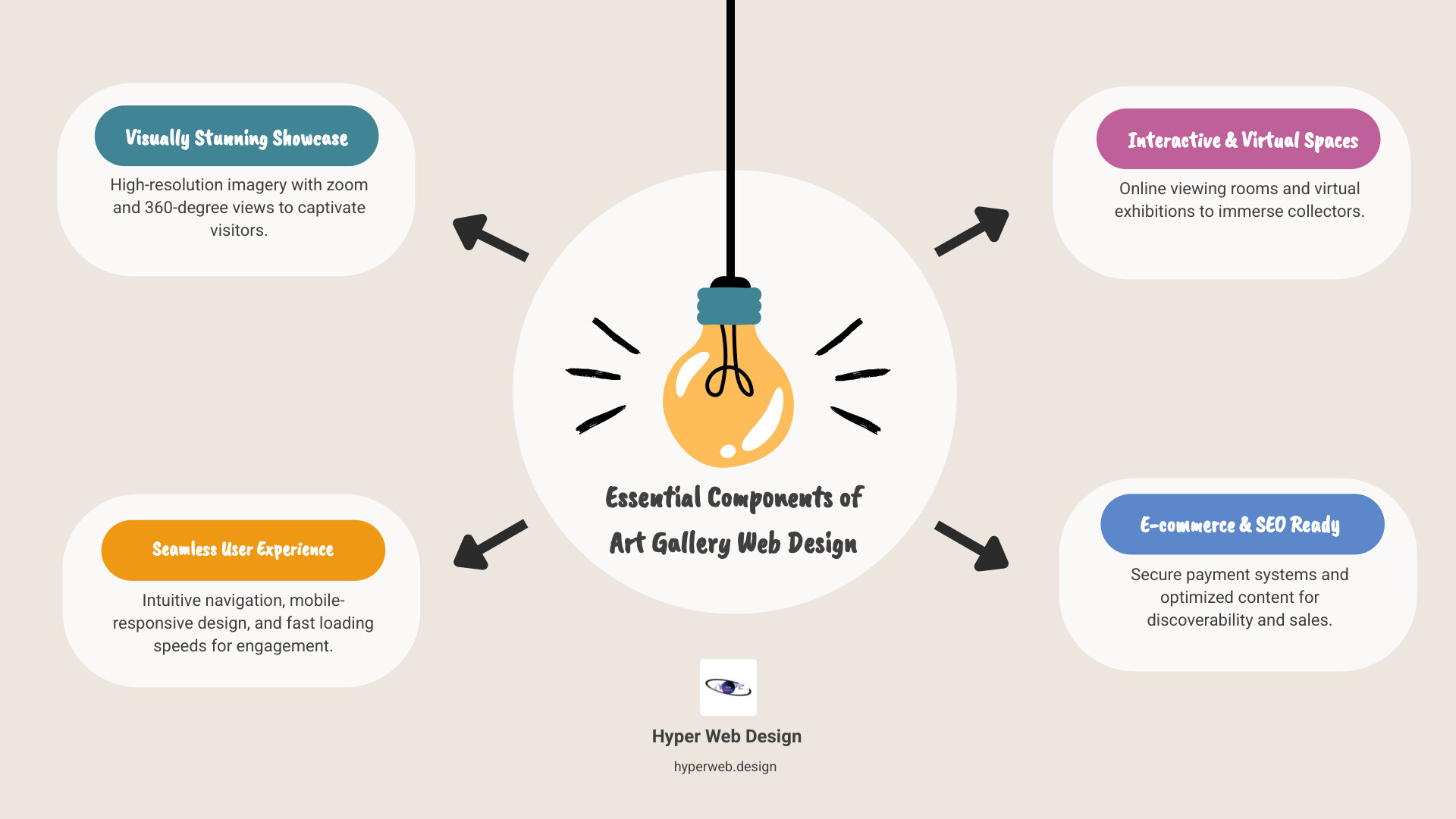
Simple guide to art gallery web design terms:
5 Essential Elements of an Award-Winning Art Gallery Web Design
With 22% of the global art market online, your art gallery web design is more critical than ever. Think of your website as your most important exhibition space, reaching collectors worldwide. Successful online galleries know that every pixel matters.
Over the years, I’ve seen that the galleries that stand out share five key elements that work like a curated show. The foundation is stunning visuals, but seamless navigation keeps visitors engaged. Your brand identity tells your story, interactive features draw people in, and smart e-commerce integration drives sales.
These are not just nice-to-have features; they are the building blocks of a professional digital gallery that drives business. Together, they create a digital space where art lovers want to explore and ultimately purchase.
1. A Visually Stunning & High-Fidelity Showcase
Your art gallery web design must be a pristine digital space where visitors can appreciate art in crystal-clear detail. The foundation is high-fidelity images. Blurry photos lose collectors, so crisp, high-resolution imagery capturing every nuance of the artwork is non-negotiable.
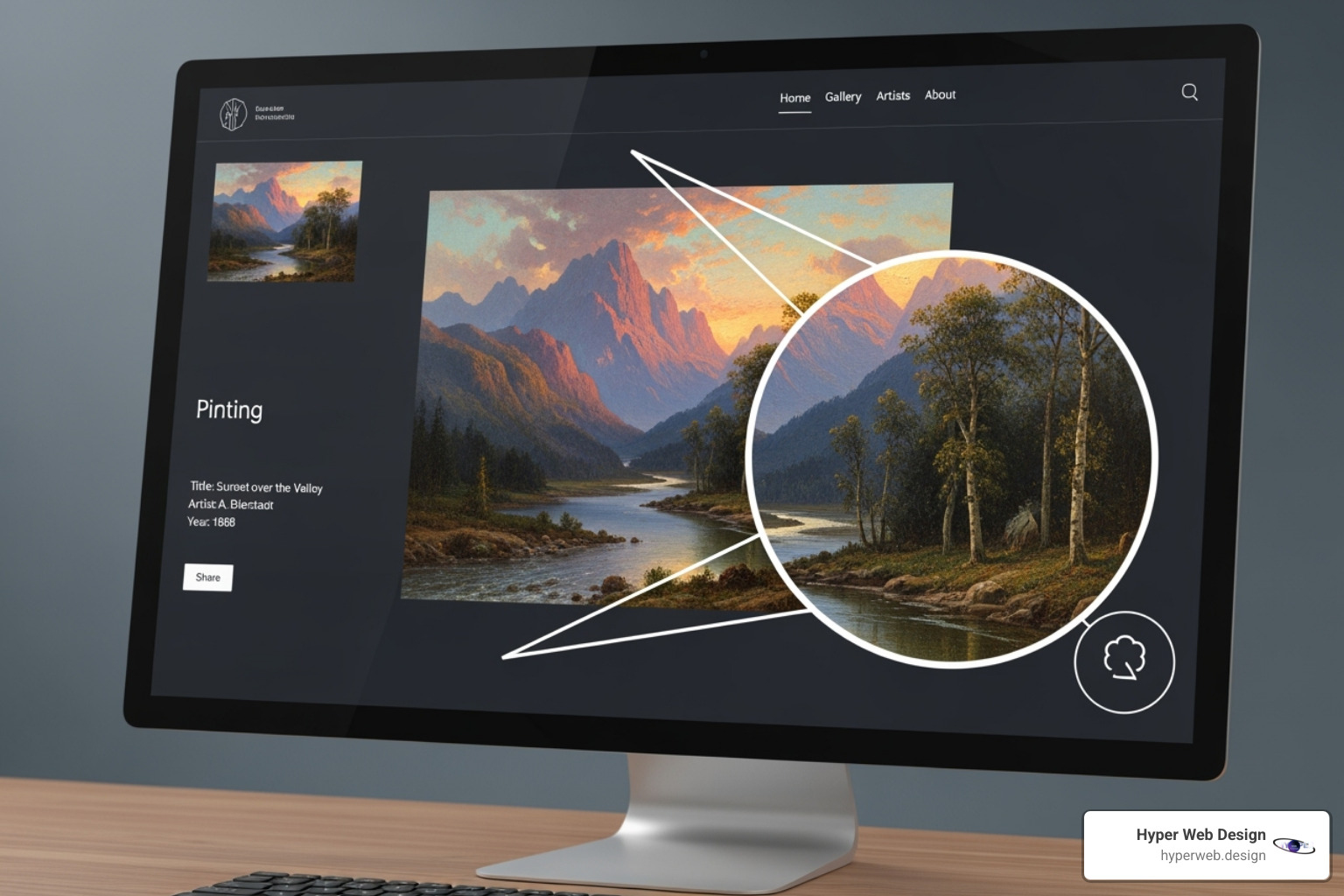
Zoom functionality lets visitors examine an artist’s technique up close, fostering an emotional connection. For sculptures, 360-degree views allow appreciation from every angle. Video art integration must be seamless, without buffering delays. The technology should disappear, leaving only the art.
The secret is a minimalist layout with generous white space. This lets artwork breathe and command focus. By removing clutter, you direct visitors to what matters most: the art itself. This approach is seen in galleries like David Bromley’s.
Choosing the right image formats is vital for balancing quality with loading speed. JPEG is for complex paintings, PNG for graphics with sharp edges, and WebP offers superior compression without sacrificing quality. Together, these elements bridge the physical and digital worlds, letting visitors truly experience the art.
2. Seamless User Experience in Art Gallery Web Design
A frustrating user experience loses sales. Since 70% of online shoppers abandon sites due to poor UX, seamless navigation is critical for art galleries.
The foundation of excellent art gallery web design starts with intuitive navigation. Like a physical gallery, visitors should know where to go. Simple menus, clear artist sections, and exhibition archives help collectors find works and explore your gallery’s history.
With 60% of art buyers browsing on mobile, a mobile-first approach is essential. Your gallery must display beautifully on every screen. Our responsive web design services ensure your gallery looks magnificent on all devices, eliminating pinching and zooming.
Accessibility is also key. Following WCAG standards ensures everyone can enjoy your collection, with features like alt-text and keyboard navigation. Fast loading speeds are also crucial; visitors stay over 3 minutes on fast sites but leave slow ones in 90 seconds. We optimize images and code for a space that’s beautiful and easy to steer.
3. A Strong, Cohesive Brand Identity
Your website is your gallery’s digital personality. Every color, font, and element tells your story. A strong, cohesive brand identity in your art gallery web design builds recognition and trust, turning browsers into collectors.
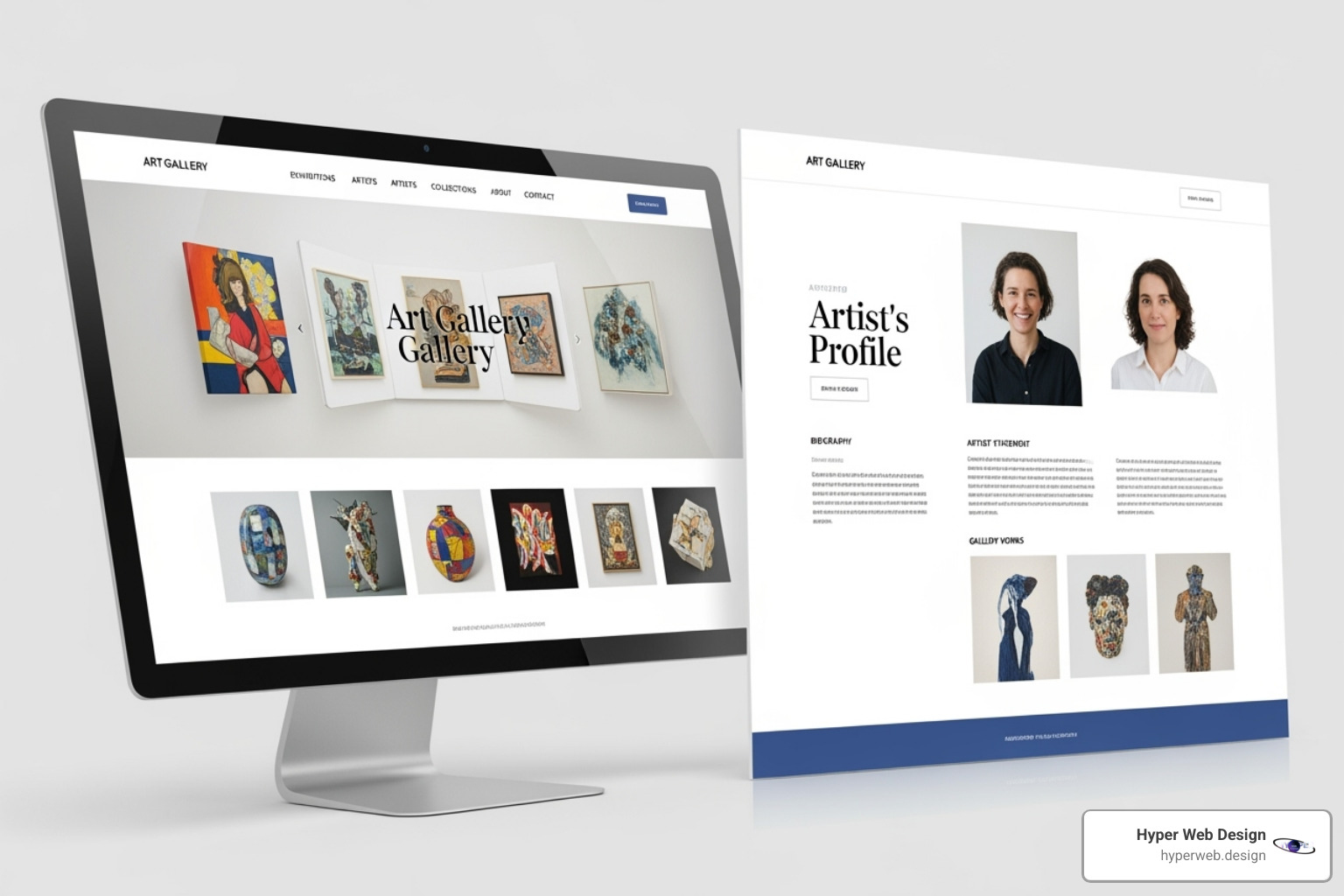
Visual storytelling starts with fundamentals. Typography speaks volumes: serifs suggest sophistication, while sans-serifs feel modern. Your color palette is also powerful; soft tones can be calming, while bold contrasts make art pop.
Your logo placement and brand elements should guide visitors seamlessly. Brand identity also includes your artist bios and exhibition narratives, which reveal not just what artists create, but why their work fits your gallery’s vision.
Our brand identity website design approach creates digital spaces where every element reinforces your gallery’s unique voice. This helps visitors understand what makes your gallery special and builds their confidence.
4. Interactive Features & Virtual Exhibitions
Visitors expect more than static images. Successful art gallery web design uses interactive features to bring art to life, boosting user engagement by up to 50%. These dynamic elements are a game-changer.
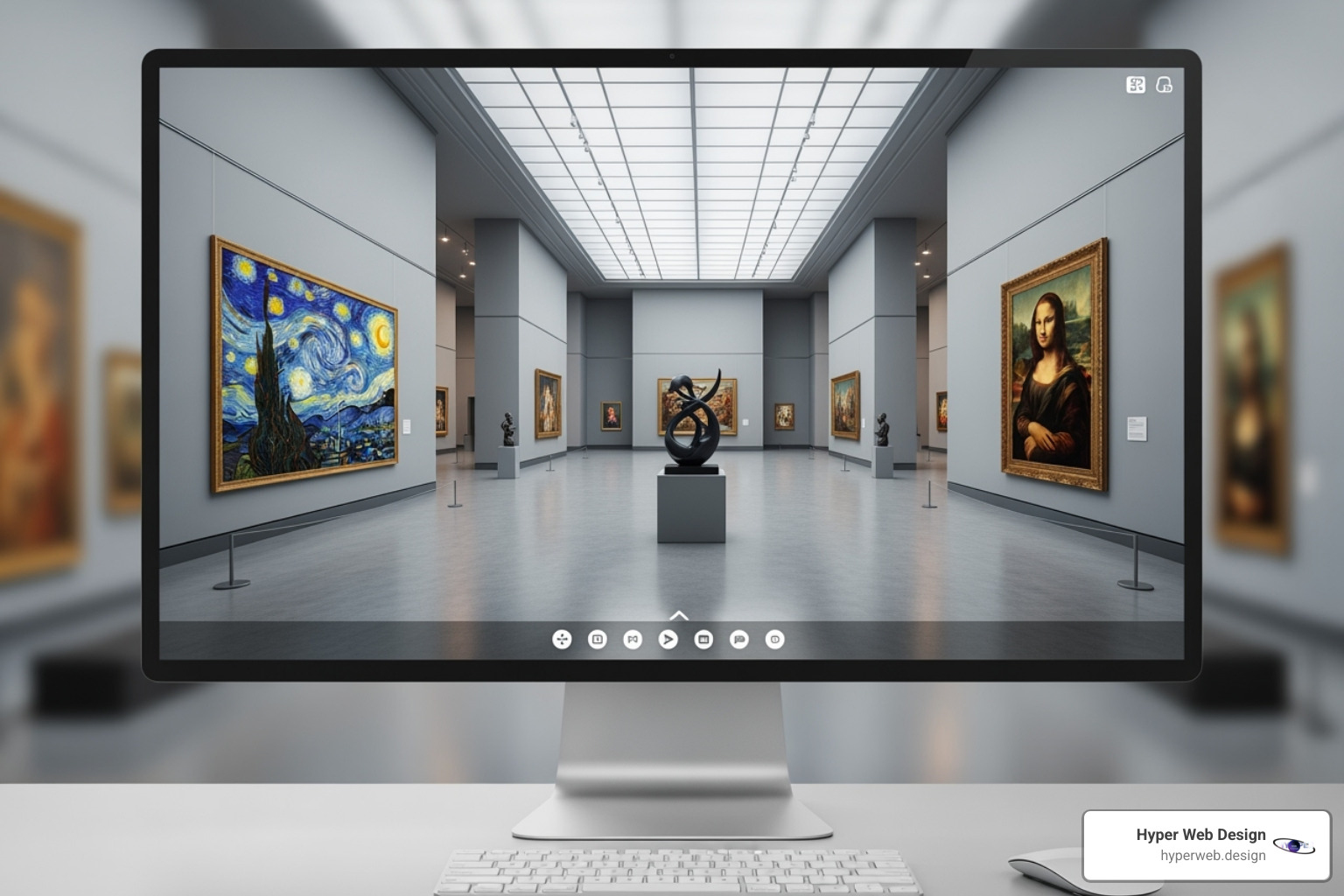
Online viewing rooms (OVRs) are an exciting development. These exclusive, curated digital exhibitions often run for limited times, creating urgency for collectors and providing valuable visitor insights.
Augmented Reality (AR) is a game-changer. A “view on wall” feature lets buyers use their phone to see how a painting looks in their home, eliminating guesswork and making it easier to commit to a purchase.
Simpler interactive touches are also powerful. Parallax scrolling adds depth, while hover animations can reveal an artist’s signature or details about a sculpture.
Inspired by projects like the Loewe Foundation Craft Prize, thoughtful interactive design creates an immersive journey. These features transform your site from a static brochure into a living gallery where visitors actively participate.
5. E-commerce Integration & SEO for Art Gallery Web Design
Your art gallery web design must do more than look beautiful—it must convert visitors and be findable online. With online art sales at $11.8 billion in 2023, your site must be a powerful sales machine.
Secure payment gateways are essential for a seamless buying process. We integrate systems that automatically update inventory, preventing two people from buying the same piece.
For those not ready to buy, artwork inquiry forms and clear calls-to-action are key to capturing leads. Our conversion-focused design places these elements for maximum impact.
A stunning website is useless if it can’t be found. With 80% of buyers using search engines, online visibility is crucial. Keyword optimization means using relevant terms like artist names and styles. Image alt text helps search engines understand your art and improves accessibility.
For physical galleries, local SEO is crucial to appear in “art galleries near me” searches. Our SEO optimized websites are built for findability. Combining seamless e-commerce with powerful SEO turns your digital presence into a business driver.
Conclusion: Curating Your Digital Masterpiece
Exceptional art gallery web design is like a curated exhibition where every element works in harmony. We’ve covered the five essential ingredients that transform a website into a digital masterpiece that rivals a physical gallery.
The magic happens when aesthetics meets technology. A stunning visual showcase, seamless UX, strong brand identity, interactive features, and smart e-commerce with SEO turn your digital gallery into a powerful, 24/7 sales engine.
The future of online art sales is exciting, with galleries reaching global audiences and collectors finding artists from home. Thriving galleries understand this digital shift requires creating an immersive experience that captures the soul of their collection.
At Hyper Web Design, we craft digital experiences that honor your artistry. Your online presence is the first impression for collectors, so we blend luxury design with cutting-edge technology to reflect the sophistication of your exhibitions.
Your gallery deserves a digital presence that creates lasting impressions and drives real results. Whether you’re showcasing emerging talent or established masters, your website should be as memorable as the art it displays.
Ready to create your digital masterpiece? Get a quote for your web design project and let’s build something extraordinary together.